FrenchWinemaking.com with Dougan Milne douganmilne.com ↗

Wine makingin Sancerre

The premise

There are two versions of how wine gets made. There is the romantic one, which skips most of it. And there is the technical one, written for oenology students, which assumes you already know what you are looking at.

What is missing is the plain sequence. This happens, then this happens, then you wait, then this. Filmed in order, on a working domaine, at the pace it actually goes.

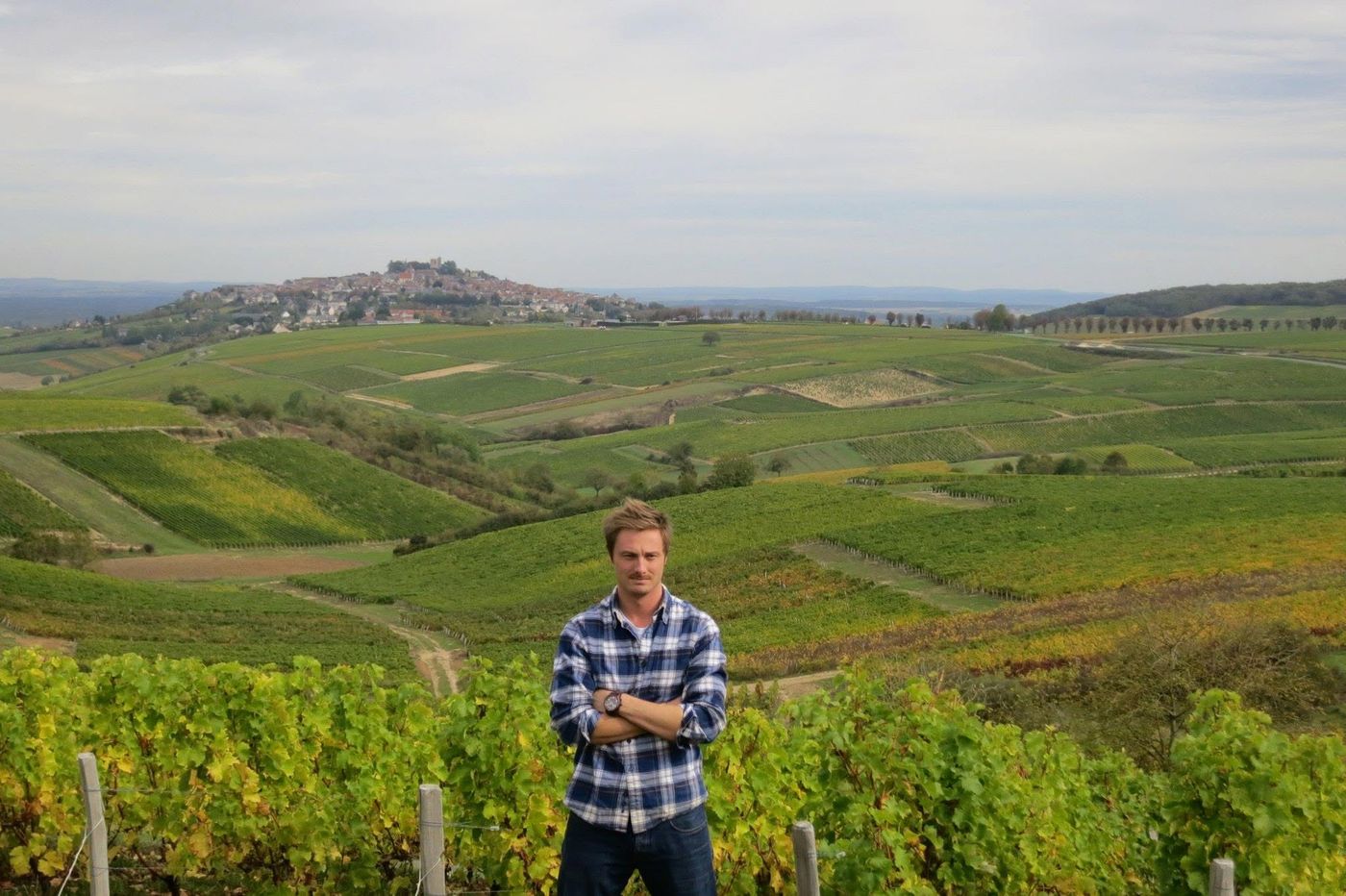
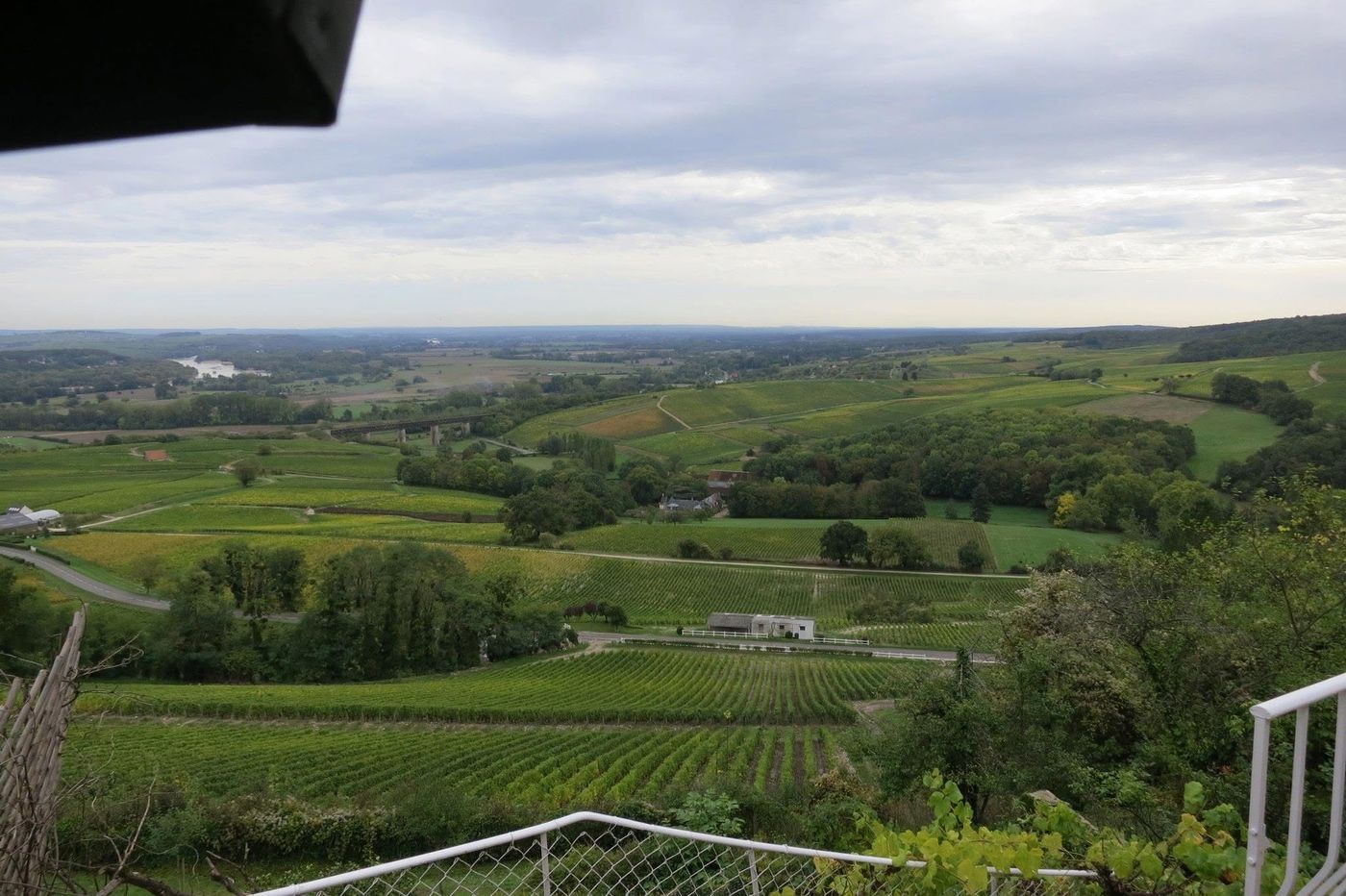
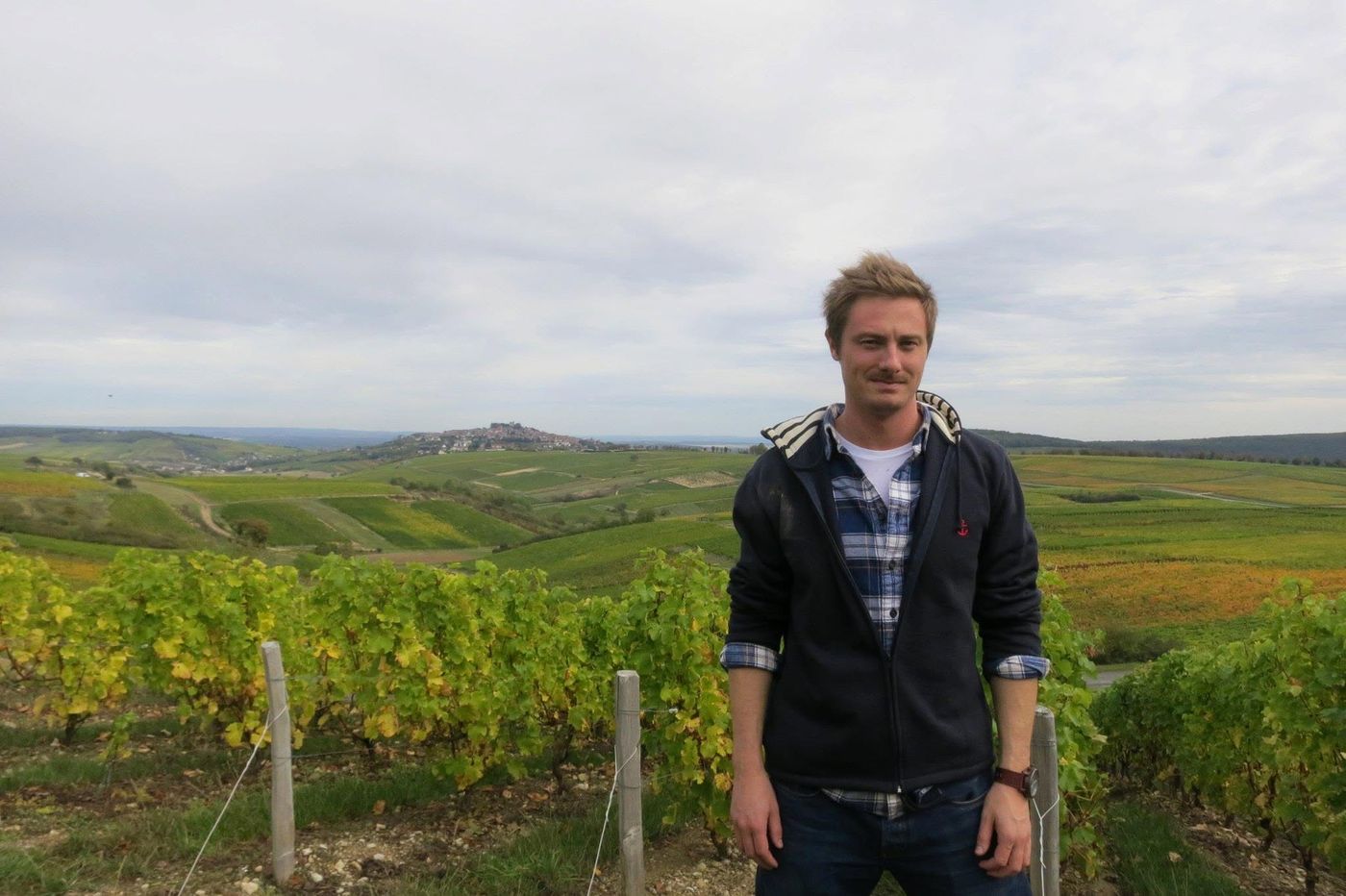
Sancerre is a good place to film it. Sauvignon Blanc gives you nowhere to hide — no long aging, no blending across a dozen parcels to average out a mistake. What goes into the tank is broadly what comes out, so the link between an operation and its consequence stays visible.

8 steps 10 films 1 harvest Sauvignon Blanc · Loire
01Vendange

Harvest

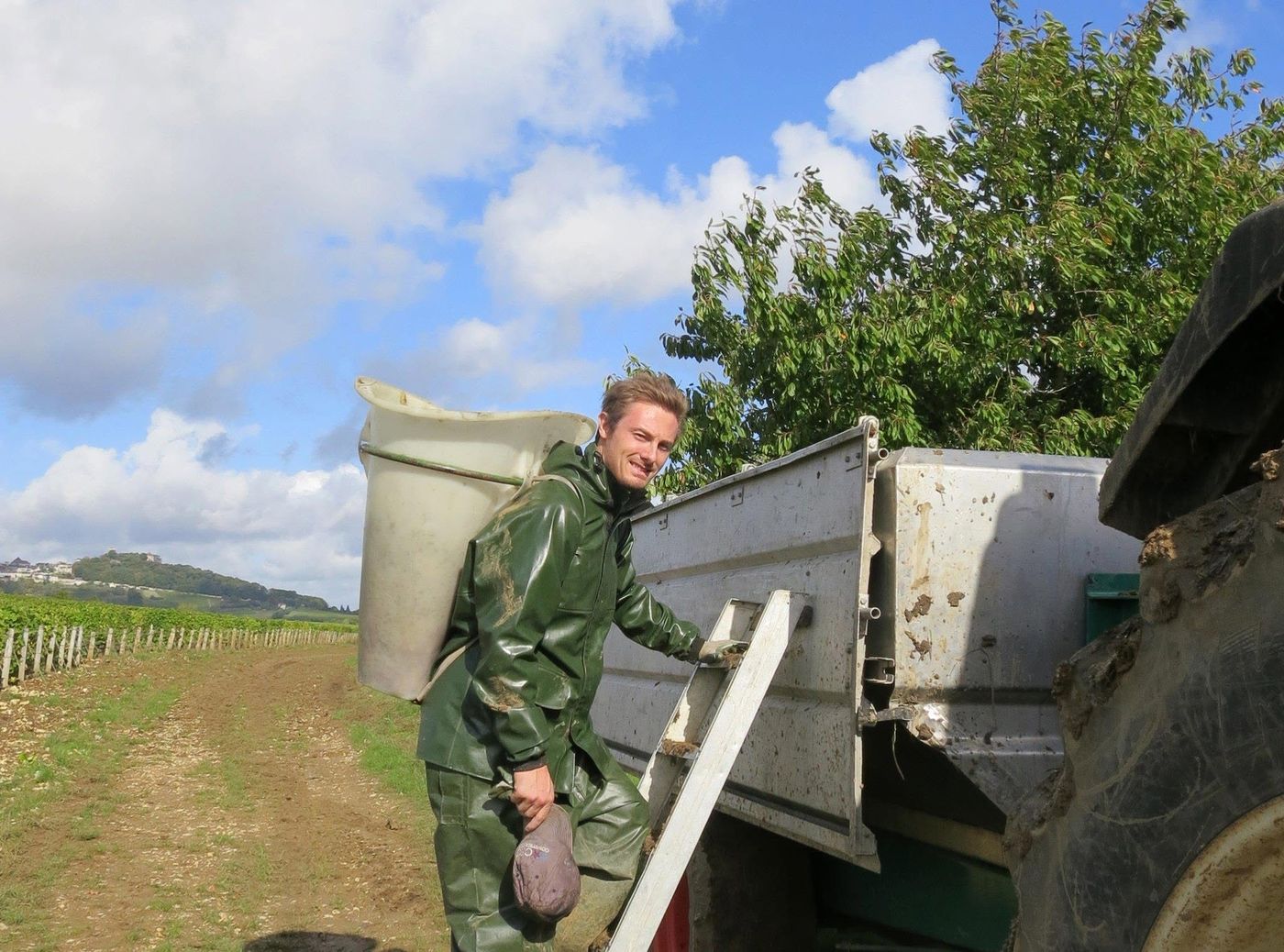
After months of tending, trimming, pruning and generally fussing over the vines, the Sauvignon Blanc comes in. In Sancerre that usually falls in the last week of September, though warm years pull it forward and the date is a judgement rather than a rule — the grower is watching sugar climb and acid fall, and picking at the point where the two cross in the right place.

Everything after this is a consequence of what happens today. You cannot add acid back into a wine that was picked late, and you cannot add ripeness to fruit that was picked early. The rest of the sequence is a long argument with a decision already made.

Play film 01
Film 01 · Watch ↗ · Picking the Sauvignon Blanc
02Pressurage

Transport & press

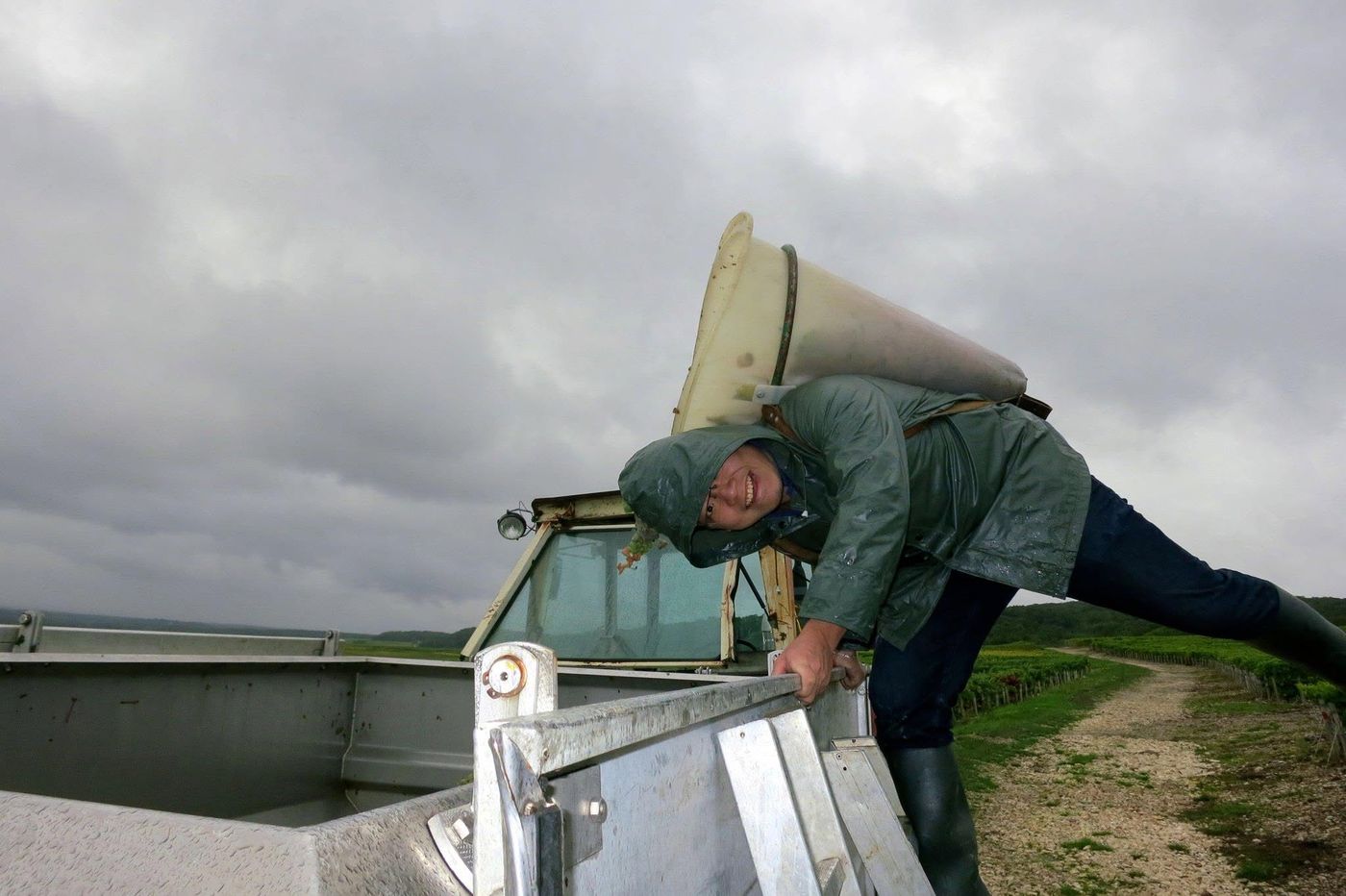
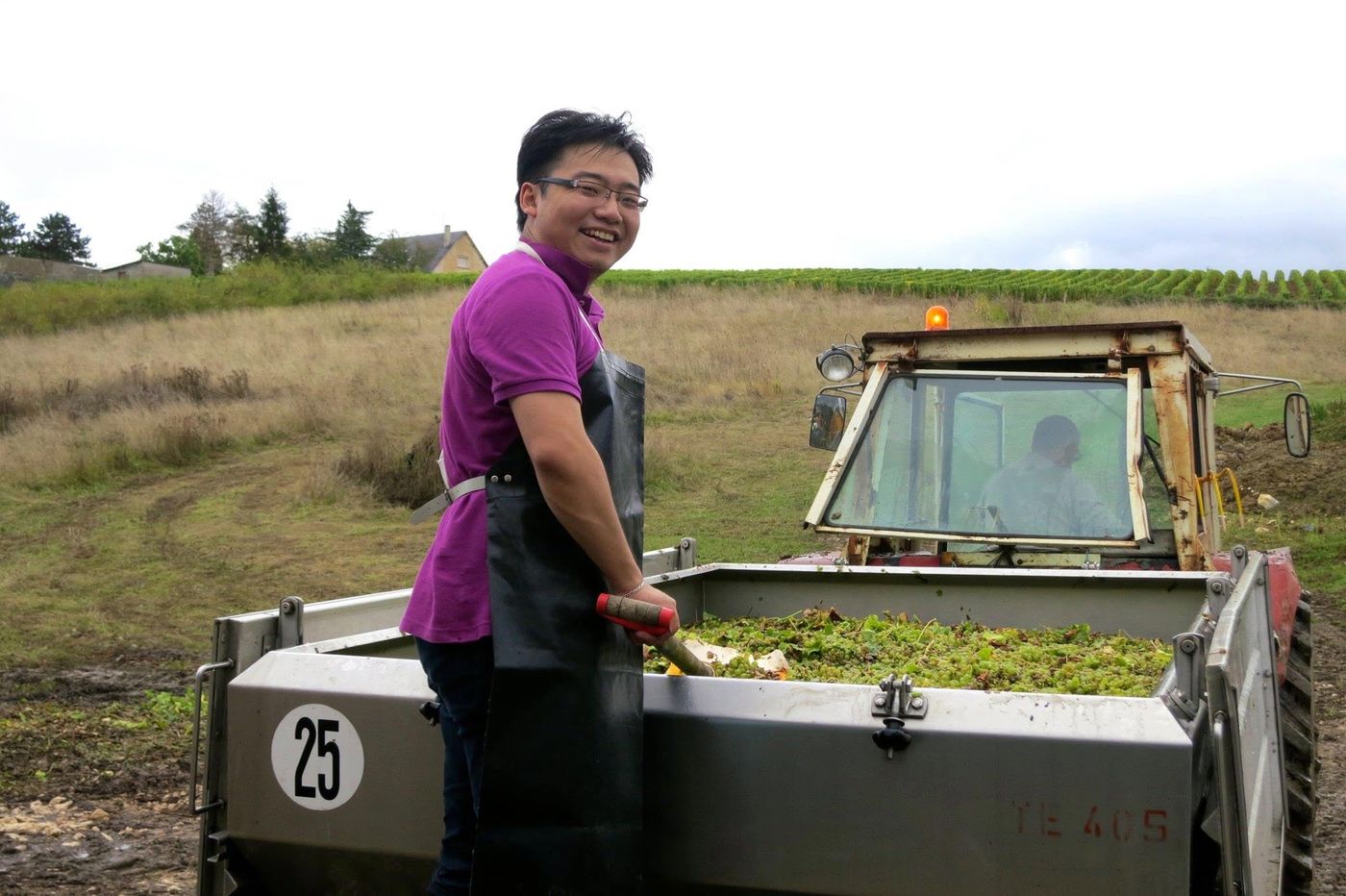
The grapes are picked by hand into baskets carried on the back, then tipped into a purpose-built truck or trailer. On some parcels the fruit is machine harvested instead and transferred to the same truck. Both are filmed below — the difference is not only speed but what arrives at the press house, since a machine takes fruit and a picker takes decisions.

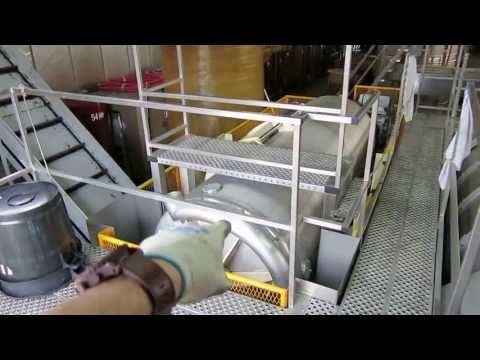
At the domaine the whole clusters go into large pneumatic presses. A bladder inflates slowly against the fruit and the juice — the must — runs off into holding tanks. Slowly is the whole point: press hard and you extract bitterness and green flavors out of the skins and pips along with the volume. What is left behind is the marc, the pressed cake of skins, stems and pips, which goes either to the distillery or back onto the vineyard as compost.
Play film 02
Film 02 · Watch ↗ · Hand harvest, into the truck
Play film 03
Film 03 · Watch ↗ · Machine harvest, and into the press
Fruit arriving at the press house
The pneumatic press
03Débourbage

Pumping & settling

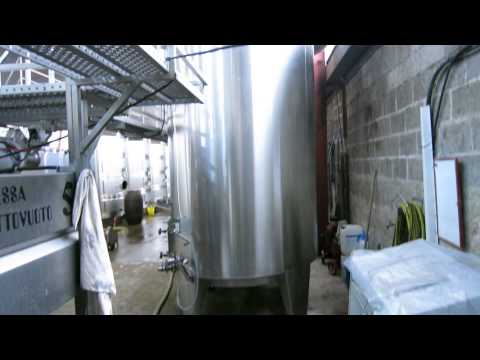
The must is pumped from the holding tanks toward the fermentation vessels, but not straight into them. First it is chilled and left alone.

This is débourbage — cold settling. Fresh must is cloudy with pulp, skin fragments and vineyard dirt, and if you ferment all of that together you get coarse, muddy flavors. Held cold for a day or two, the solids drop to the bottom and the clean juice is drawn off the top. The cold does a second job at the same time: it keeps the ambient yeast from starting the fermentation before the winemaker is ready to start it deliberately.
Play film 04
Film 04 · Watch ↗ · Pumping the must to the vats
Play film 05
Film 05 · Watch ↗ · Chilling the must before fermentation
The cellar Below groundSteps 04 — 06
04Fermentation alcoolique

Chaptalization & fermentation

In a cool year the fruit does not arrive with enough natural sugar to reach a balanced final alcohol. Chaptalization is the permitted correction: sugar added to the must before or during fermentation, converted by the yeast into alcohol rather than sweetness. The finished wine is not sweeter for it — it is stronger, and rounder in the middle. In the Loire the practice is regulated, declared and capped, and in a ripe vintage it is not needed at all.

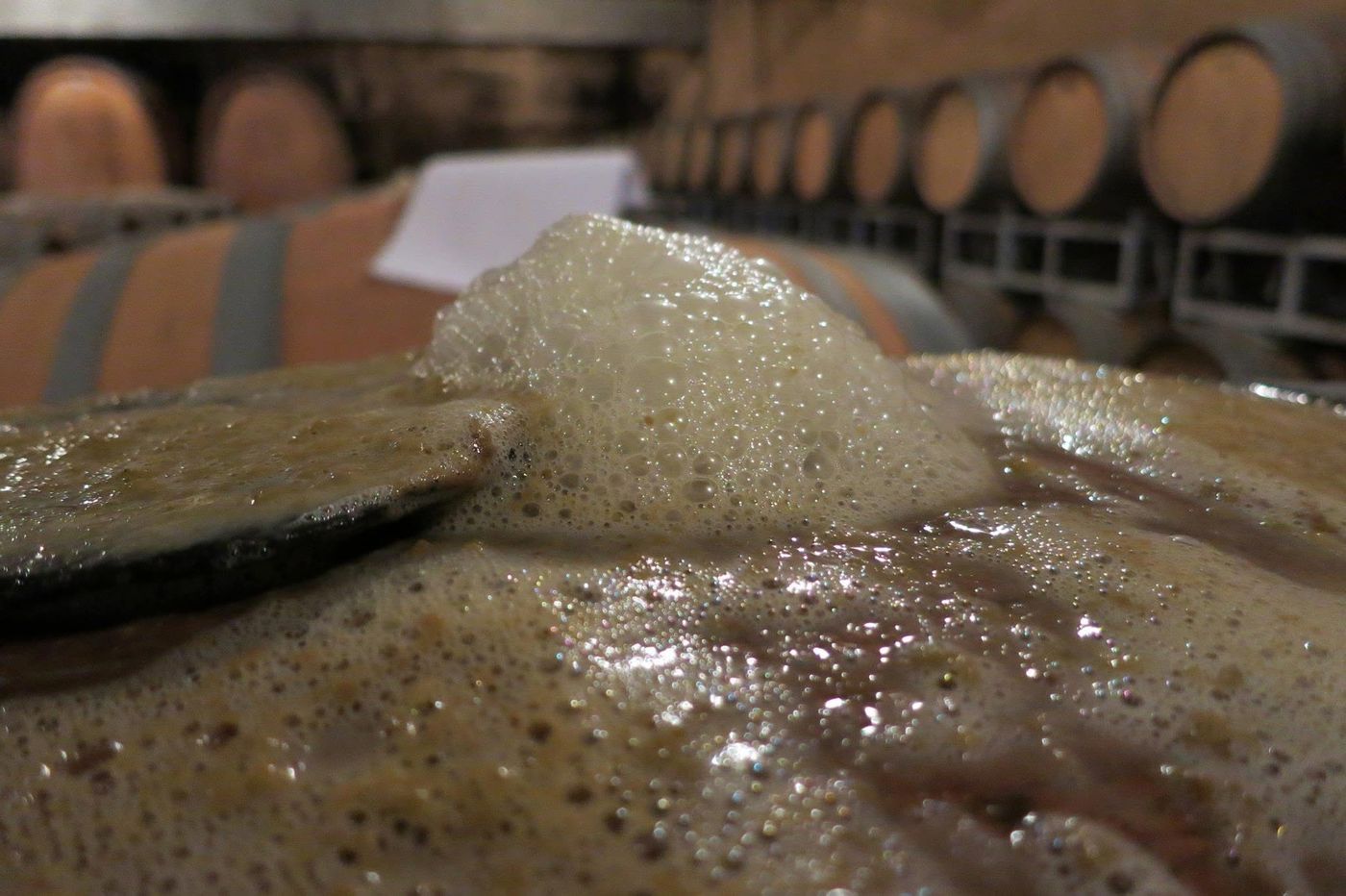
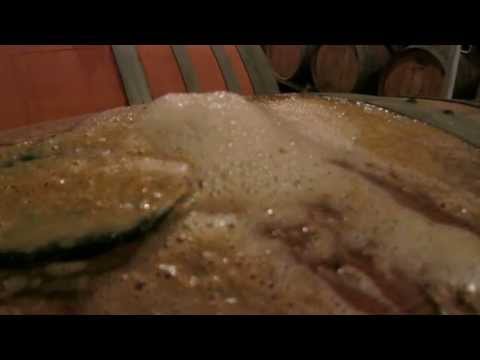
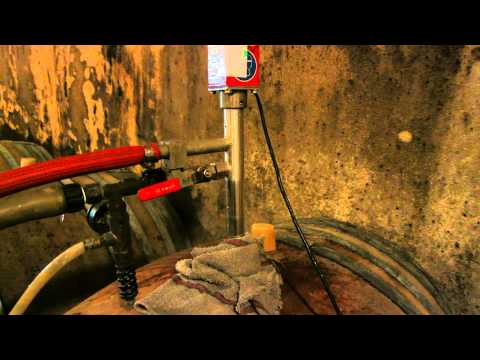
This domaine then does something most of Sancerre does not: it ferments in barrel. The must goes into 225-liter oak barriques and ferments there, slowly, over days or weeks. In the film, the foam riding on top of the barrel is carbon dioxide coming off as the sugars turn to alcohol.

You know it is finished when the bubbling stops and the measured alcohol matches what the pre-fermentation sugar readings said it should be. If those two numbers disagree, something has gone wrong, and you would rather find out now than in the bottle.

Play film 06
Film 06 · Watch ↗ · Fermentation in the barrel
05Élevage

Aging

Watching a video of wine aging is about as amusing as watching paint dry. So this step is photographs.

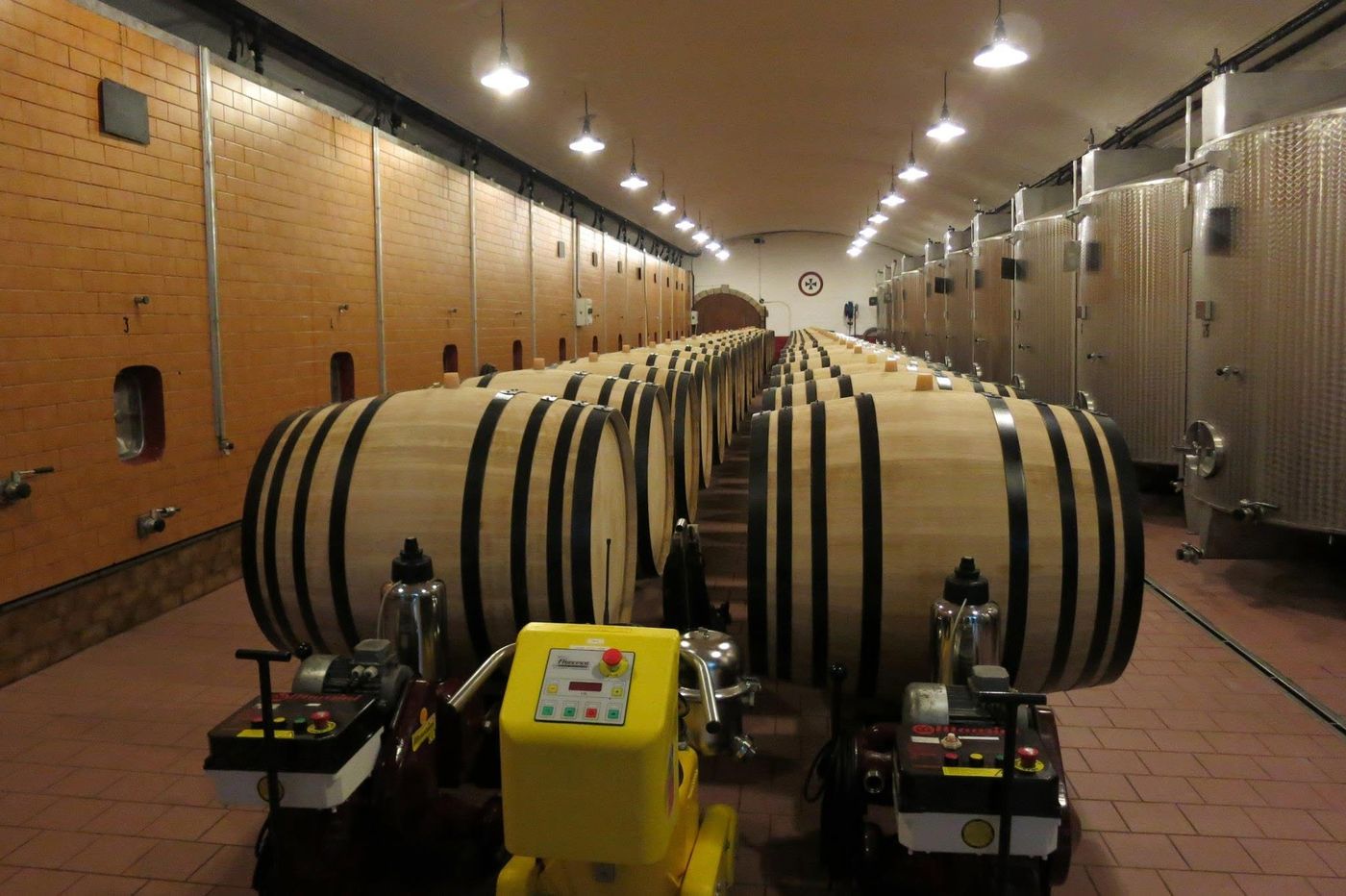
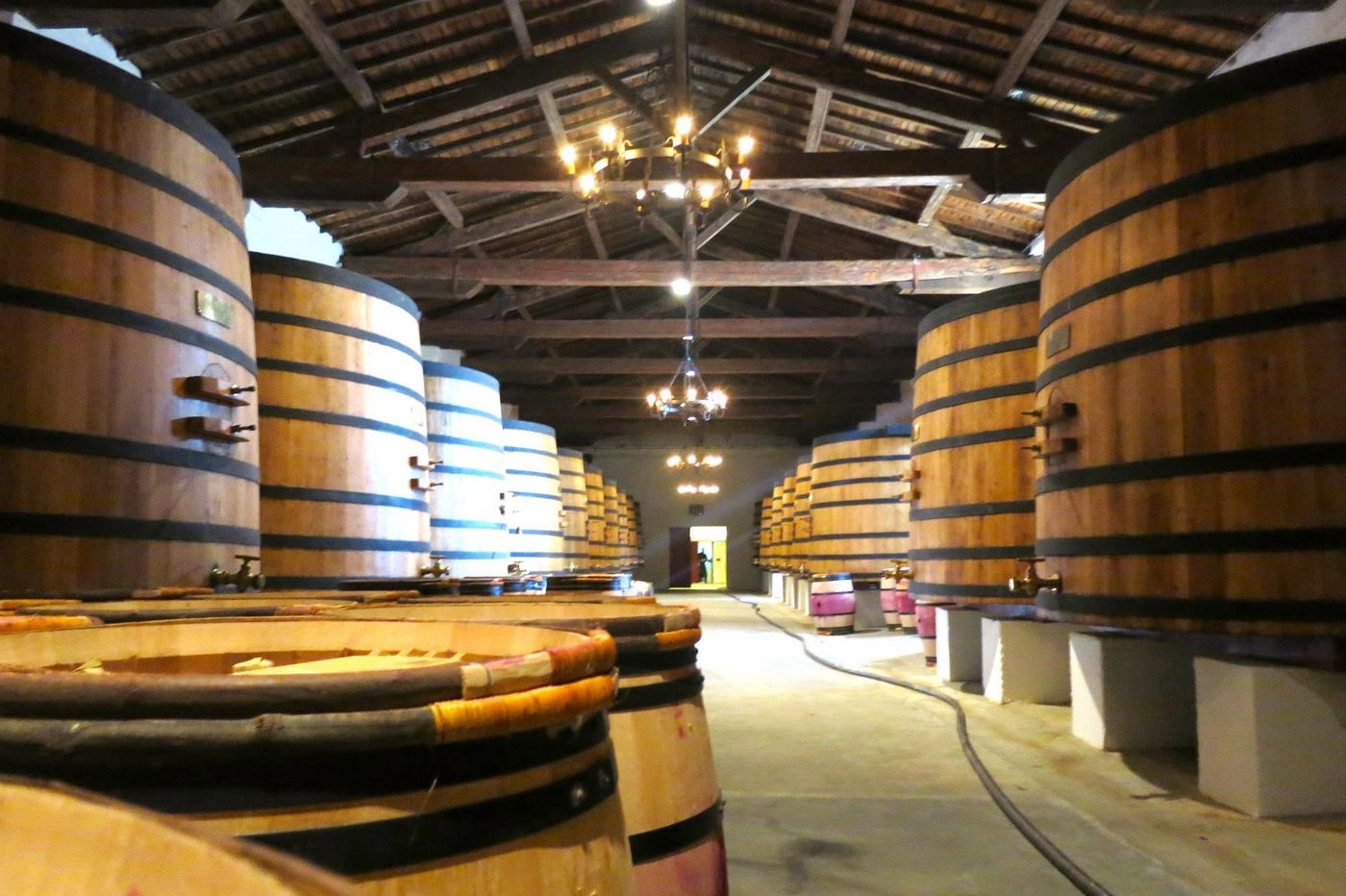
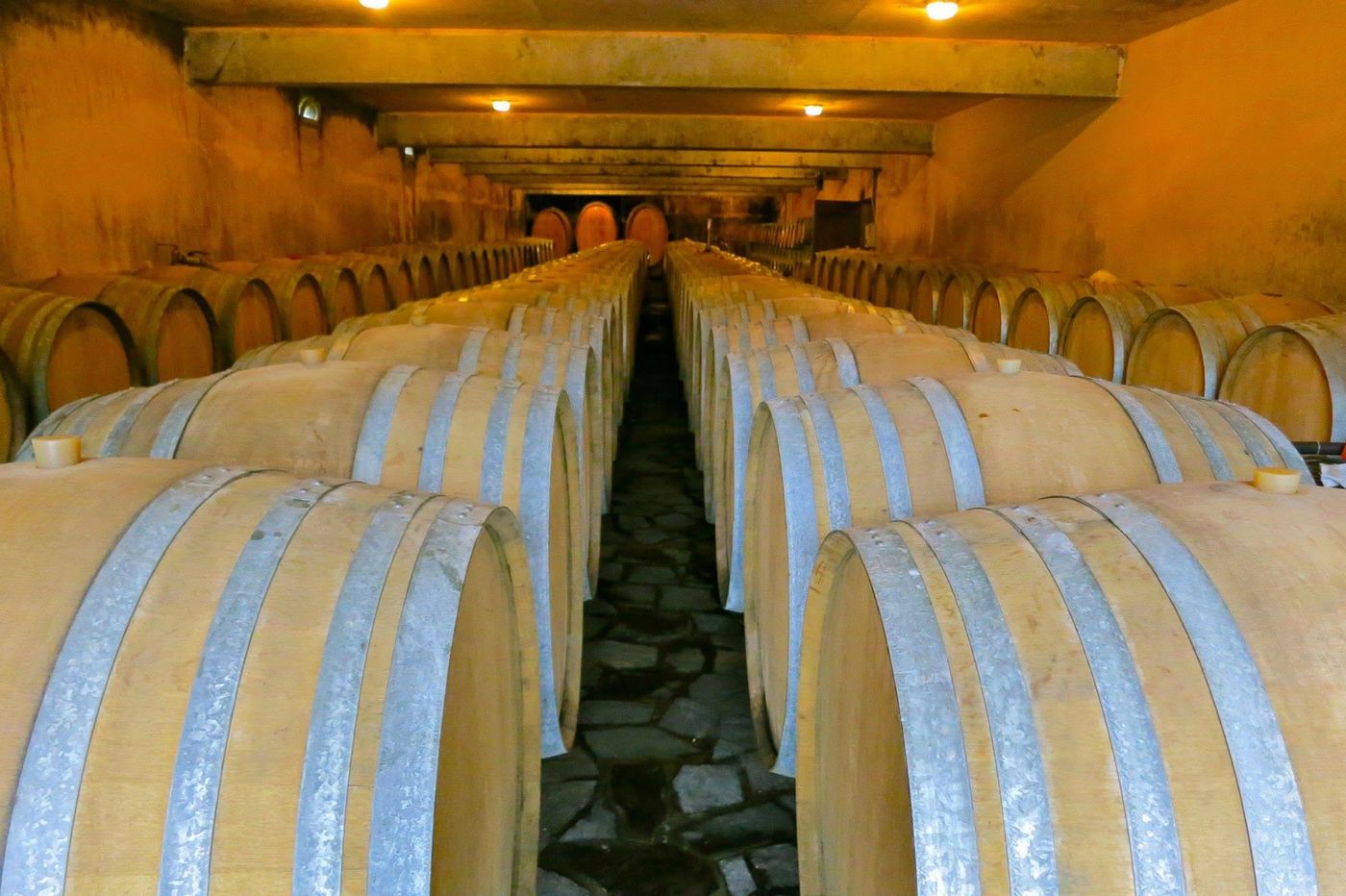
The wine now sits and does very little, visibly, for months. What it is actually doing is losing its hard edges — settling, integrating, and in barrel picking up a small amount of oxygen through the staves that softens the texture. The vessel is the decision. Oak adds flavor and lets air in. Stainless steel cuves add nothing and keep air out, preserving the sharp citrus and flint that people come to Sancerre for. Concrete sits between the two: inert like steel, but with the thermal mass of a cellar wall.

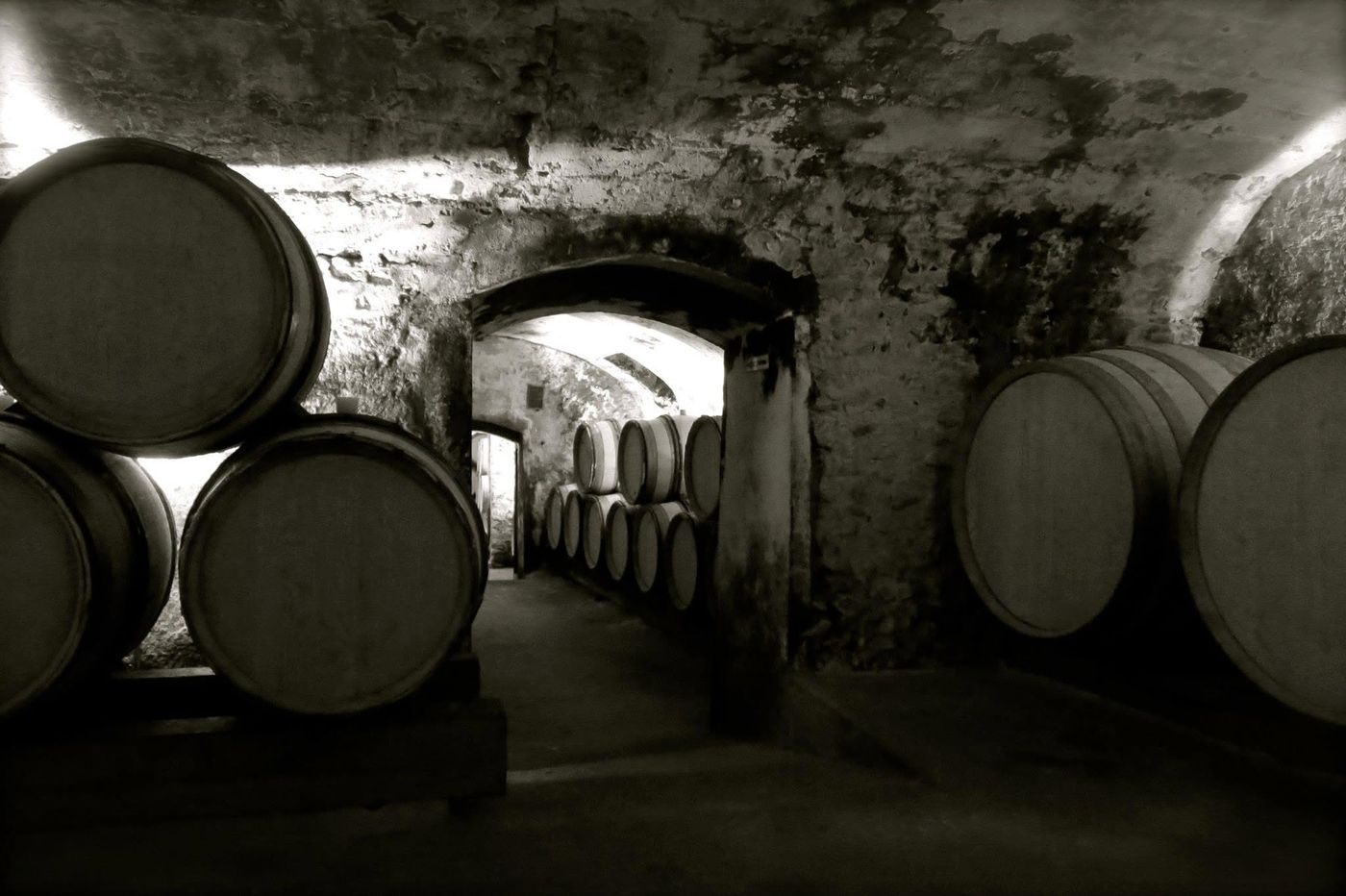
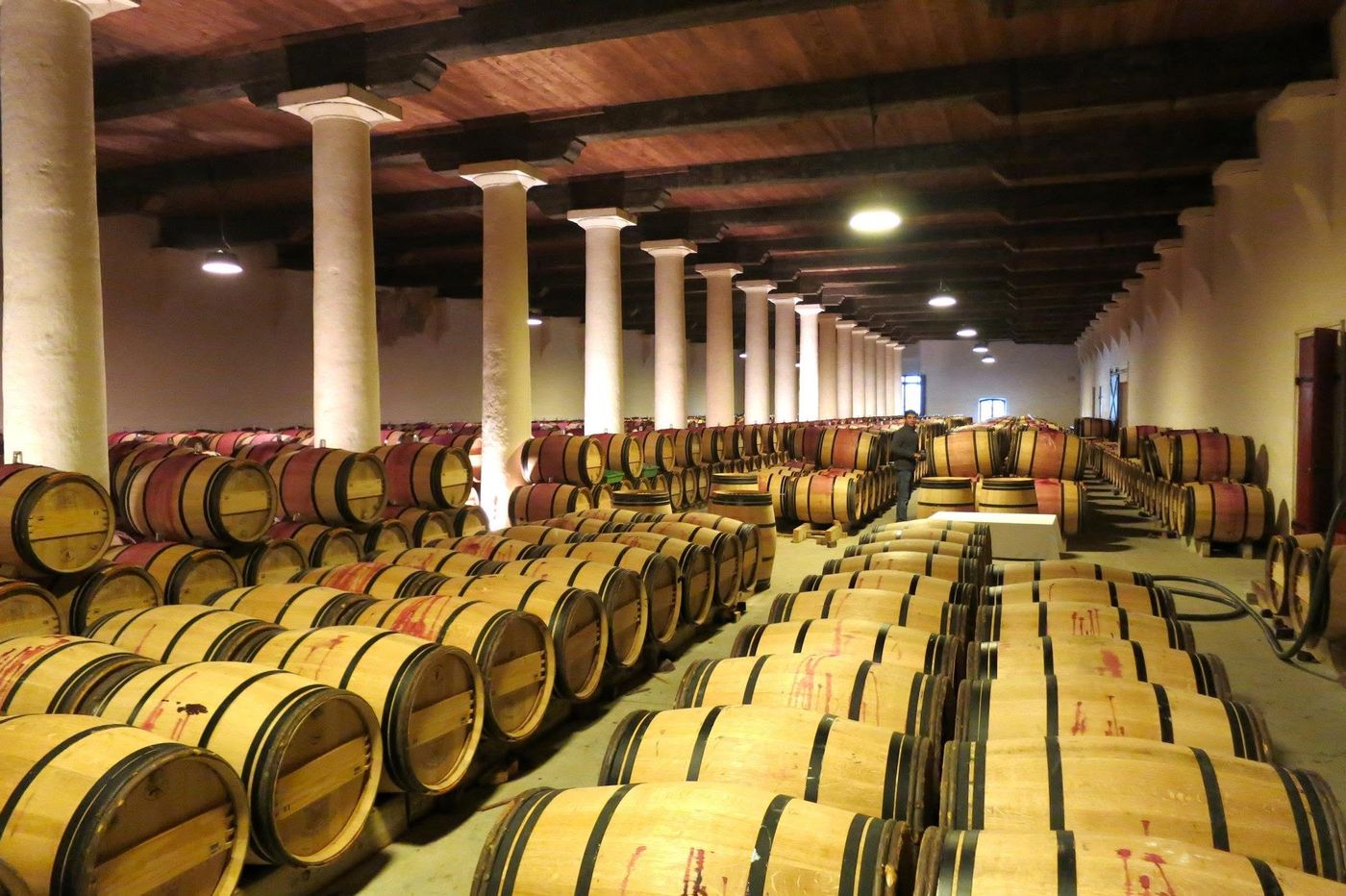
Below: French caves with oak, stainless cuves, concrete tanks and a few other arrangements. Note the temperature, which nobody has to pay for. This is the reason the wine is down here.

Oak barrels aging in the cave
Stainless steel cuves
Concrete tanks
Cellar storage
06Collage et filtration

Fining & filtering

There is a fork here, and different domaines take it differently. Some fine and filter as soon as fermentation finishes and then age a clean wine. Others — including this one, because the wine is already sitting in the barrel it fermented in — age first and clarify on the way to the bottle.

Fining is the chemical step: an agent is stirred in that binds to unstable proteins and drags them out of suspension. For Sauvignon Blanc that is usually bentonite, a clay, and the point is not clarity so much as stability — an unfined white can throw a protein haze months later in a warm shop window. Filtering is the mechanical step that follows. Here it is a plate-and-frame filter, which pushes the wine through a stack of pads and takes out whatever insoluble matter survived pressing and fermentation.

Both are optional, and both cost you something. Every intervention that removes matter from a wine removes a little texture with it. The unfiltered bottle has more to say and a shorter margin for error.

Play film 07
Film 07 · Watch ↗ · Fining the wine
Play film 08
Film 08 · Watch ↗ · The plate-and-frame filter
The line Back above groundSteps 07 — 08
07Mise en bouteille

Bottling, labeling, packaging

The winemaker decides how long the wine needs in vat, cuve or oak, and then the line runs. In some cases the wine is bottled and then put back down for months or years before it is released, which is a second aging under a different set of rules — no oxygen, no oak, and no way to taste it without opening one.

In decades past, and still at traditional domaines, all of this was done by hand. The film below shows the modern version: automated, fast, and still requiring a surprising number of people standing next to it.

Play film 09
Film 09 · Watch ↗ · The bottling, labeling and packaging line
08Nettoyage

Clean up

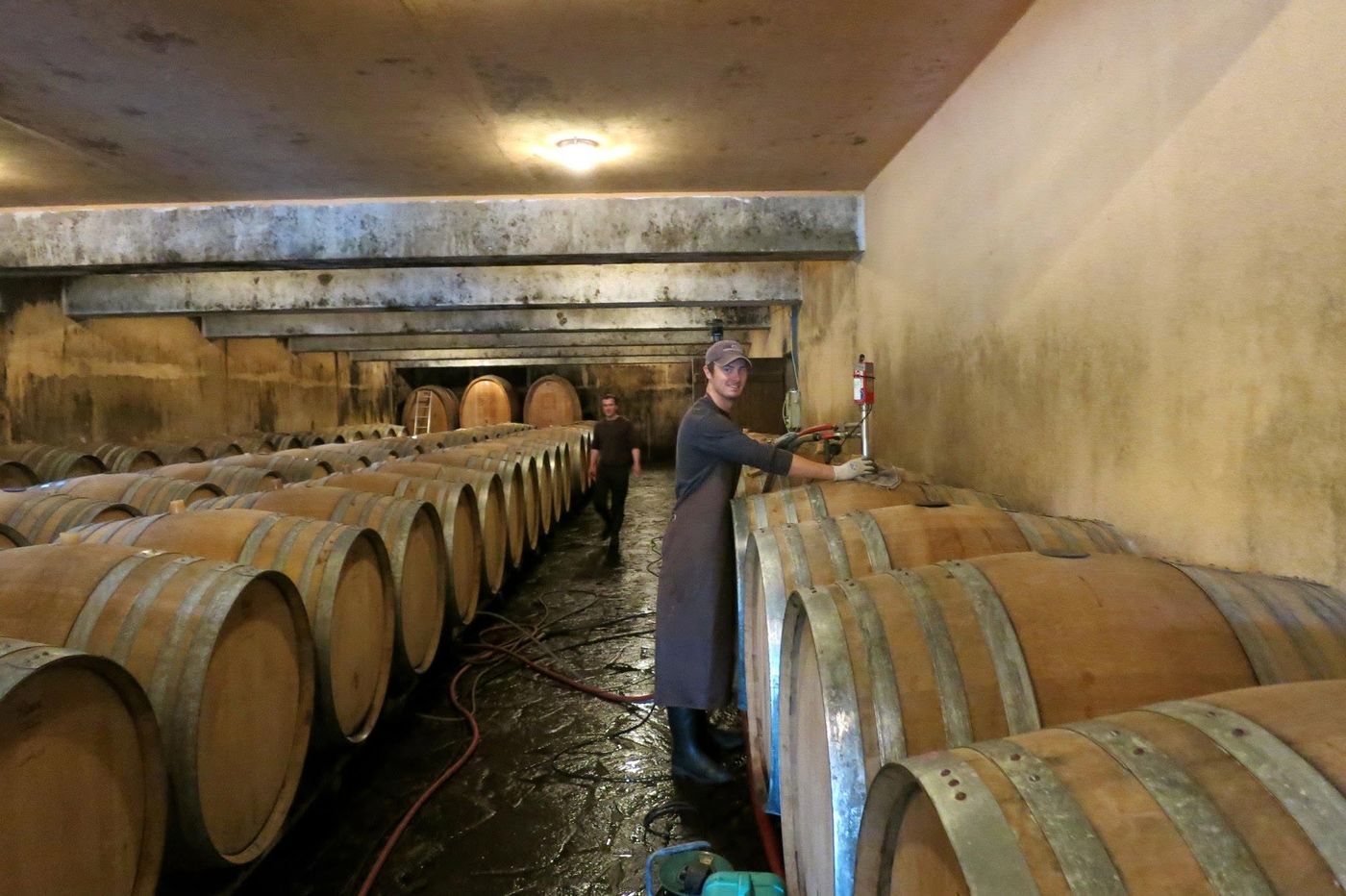
No day's work is finished until the equipment is. The barrels are washed out, ready either for the next fermentation or to hold wine that has already been made.

It is worth ending here rather than on the bottling line, because this is what most of the job actually is. A cellar is a food-production facility, and a dirty barrel will ruin a wine faster than a bad decision anywhere else in this sequence. Everything above is judgement. This part is only diligence, and it is the part that gets skipped.

Play film 10
Film 10 · Watch ↗ · Washing out the barrels
Barrels cleaned and stacked